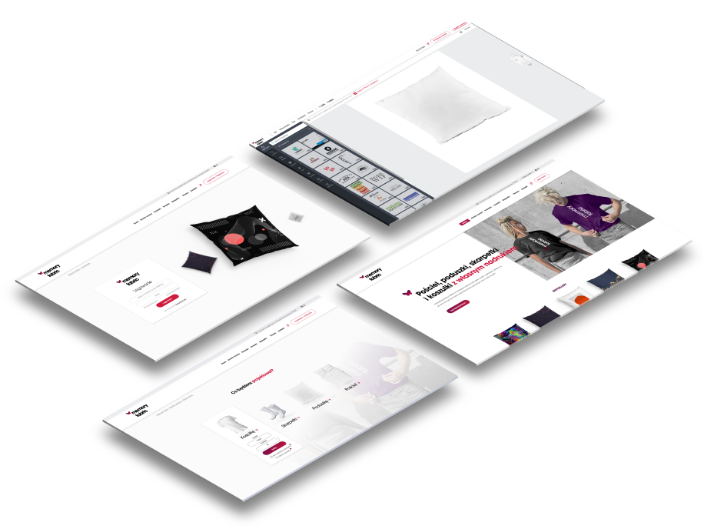
Memory fabric - Online tool for printing anything on anynything
March 2021 - September 2021
Tools i used

Figma

Miro

Adobe Illustrator

Adobe Photoshop
My role
As the Lead UX/UI Designer on this project, I was responsible for the end-to-end design process, ensuring a seamless transition from conceptual research to a production-ready interface. My focus was on balancing user needs with technical feasibility. Key areas of my involvement included:
- Information Architecture & Strategy: Defining the structure and hierarchy of the platform to ensure a logical flow between the store and the custom product editor.
- User Research: Conducting research to define Proto-Personas and their specific needs, which served as the foundation for all design decisions.
- User Flow Diagrams: Mapping out intuitive navigation paths to simplify the complex process of product customization and checkout.
- Wireframing & Prototyping: Developing both low and high-fidelity wireframes to test layouts, followed by building a fully functional interactive prototype for user testing and developer handoff.
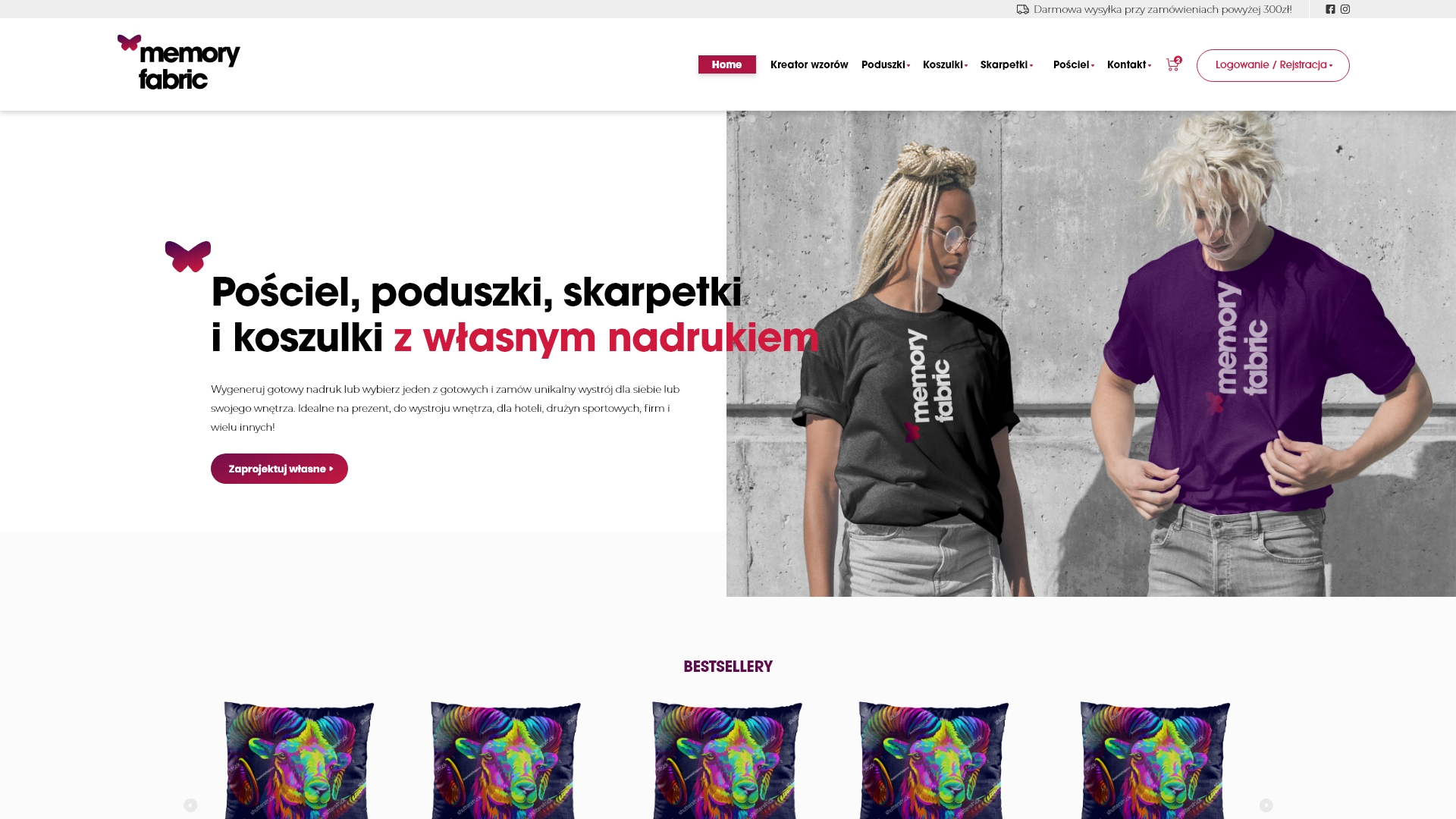
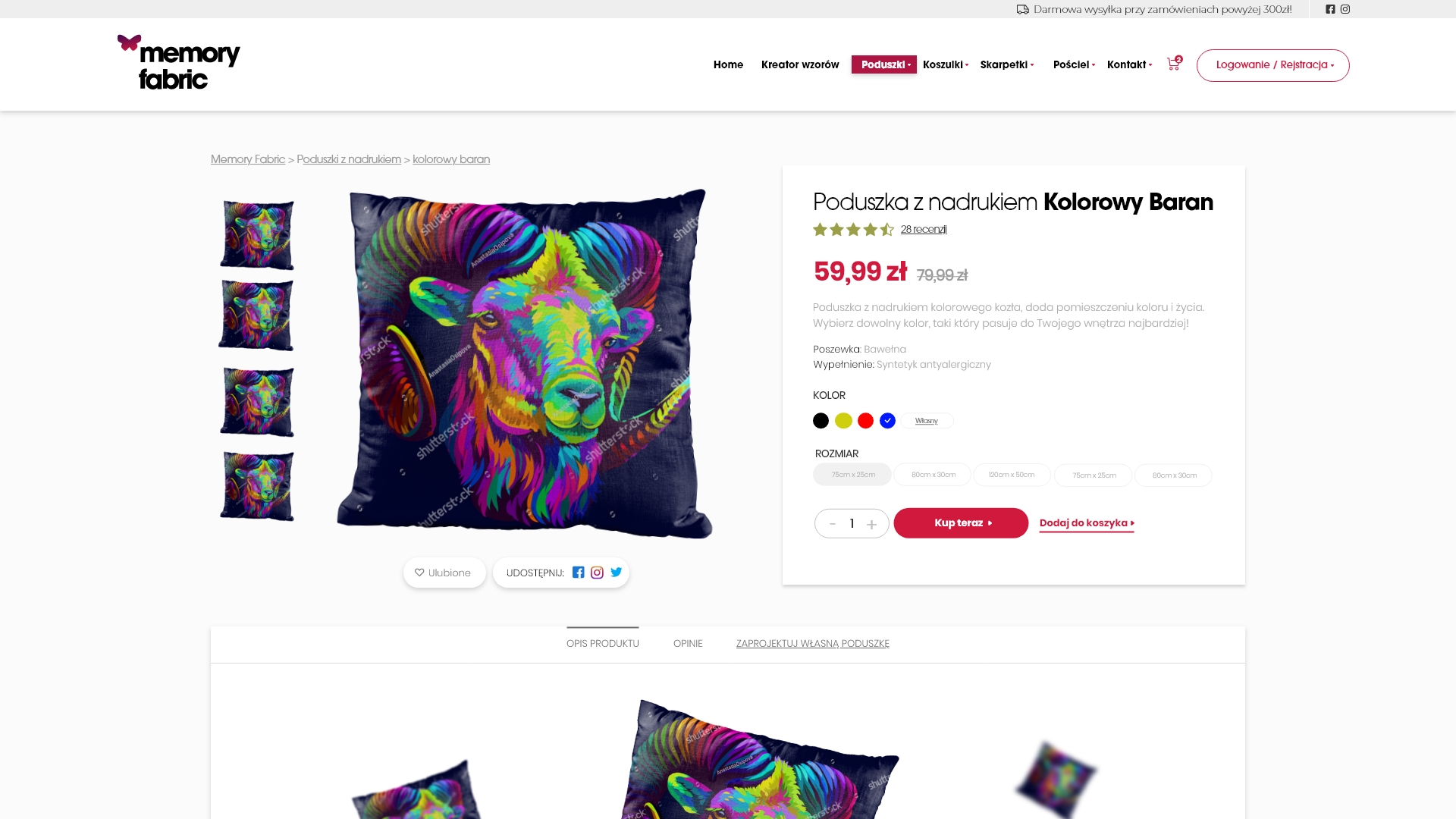
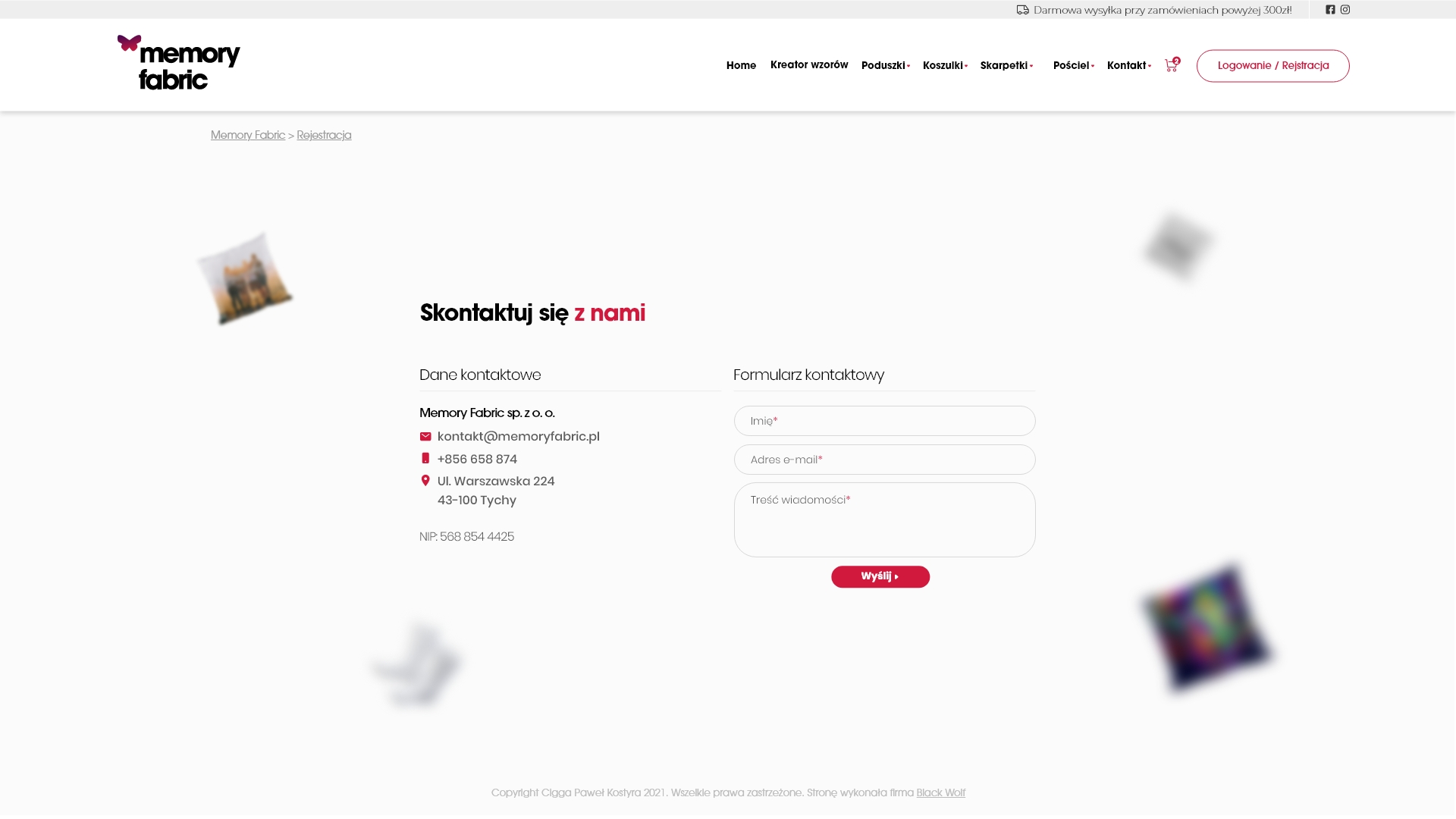
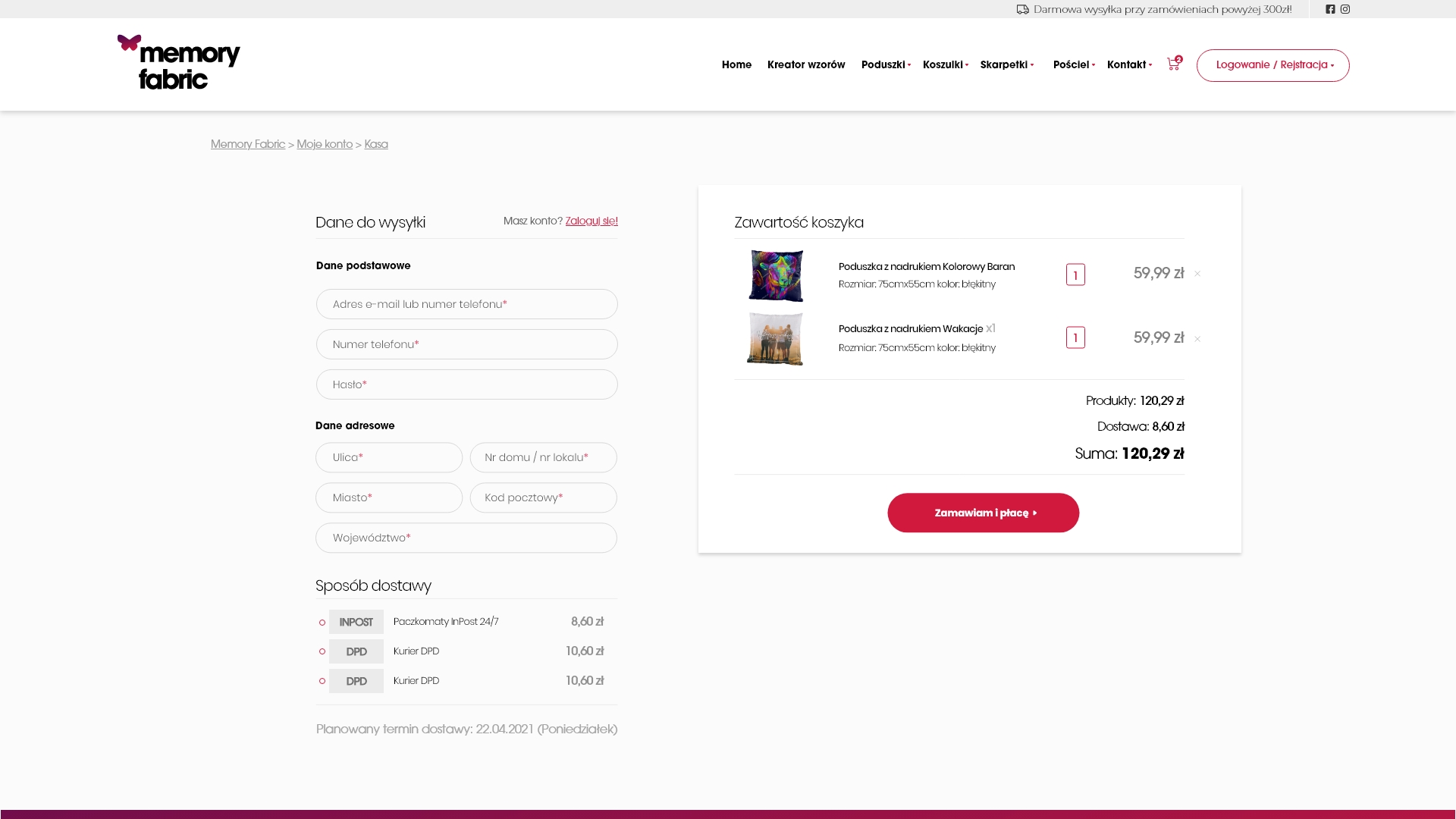
- UI Design: Creating a clean, modern, and high-fidelity visual interface that reflects the brand’s identity while maintaining maximum usability.
Project context
Memory Fabric is a modern e-commerce platform specializing in custom-printed apparel and home accessories. The project aimed to create a seamless bridge between a standard online store and a complex product personalization tool.
Research & Analysis
Technical Feasibility & Budget
Due to budget constraints, the project began with a collaborative deep dive into technical possibilities. Together with the development team, we identified a WordPress-based solution (Lumise) that allowed us to implement a powerful product creator without building it from scratch, while still allowing for deep UI customization.
Competitive Analysis
I analyzed the custom-print industry to identify common patterns. Since Memory Fabric offers unique items like custom bedding and socks, I focused on maintaining a familiar e-commerce structure to minimize the learning curve for new users.
Design Process
Proto-Persona
To ground my design decisions, I created a proto-persona (Rafał, 28) who represents a typical user looking for a unique, personalized gift. This helped me prioritize features like "Quick Preview" and "Simple Upload" in the editor.
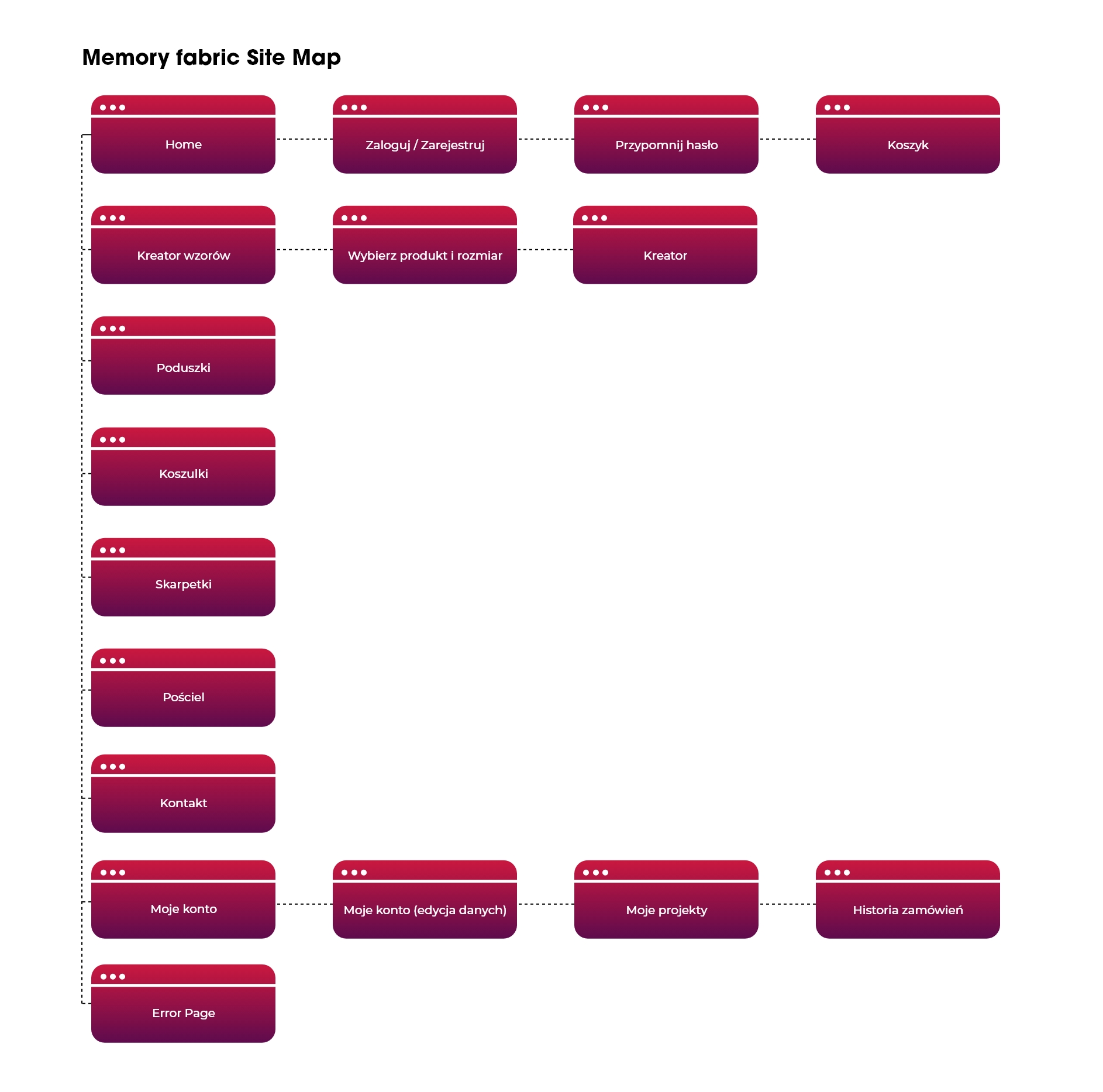
Sitemap & Navigation
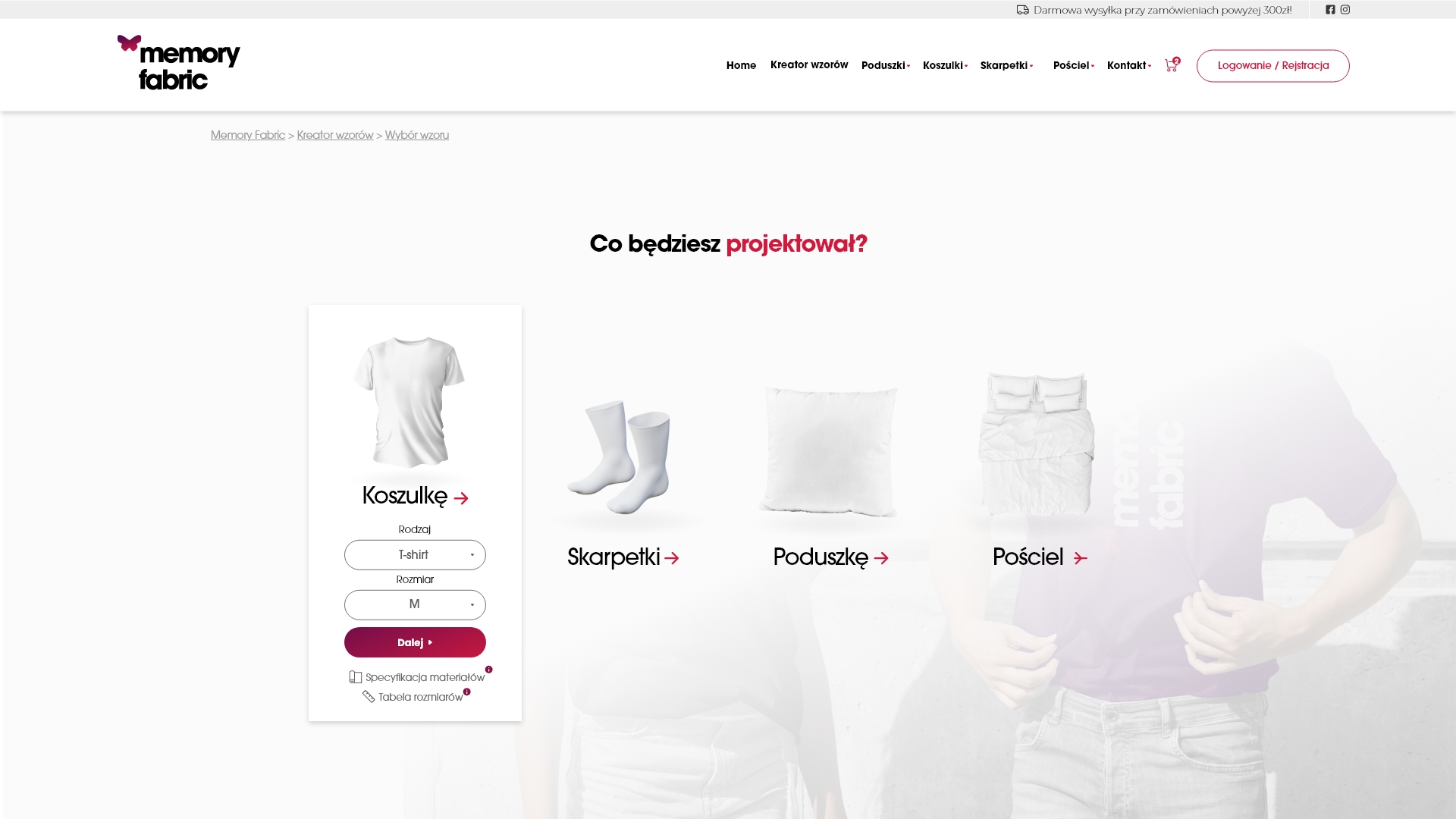
I developed a comprehensive Sitemap to organize the diverse product categories (Pillows, T-shirts, Socks, Bedding). The goal was to ensure that the "Start Designing" call-to-action was accessible from every touchpoint.
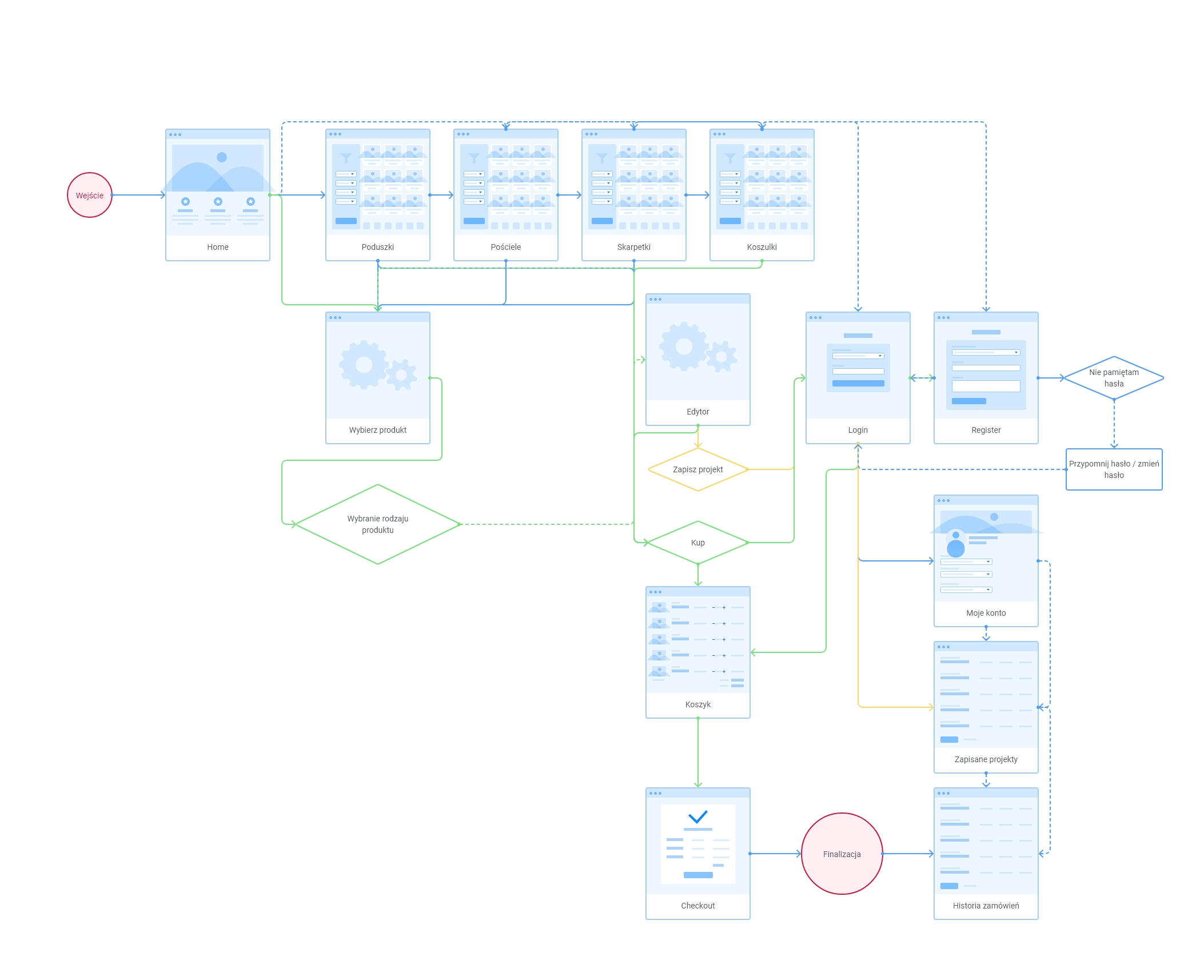
User Flow
I mapped out the entire journey—from the moment a user lands on the homepage, through choosing a product and size, to the final checkout process. This ensured there were no dead ends in the customization funnel.
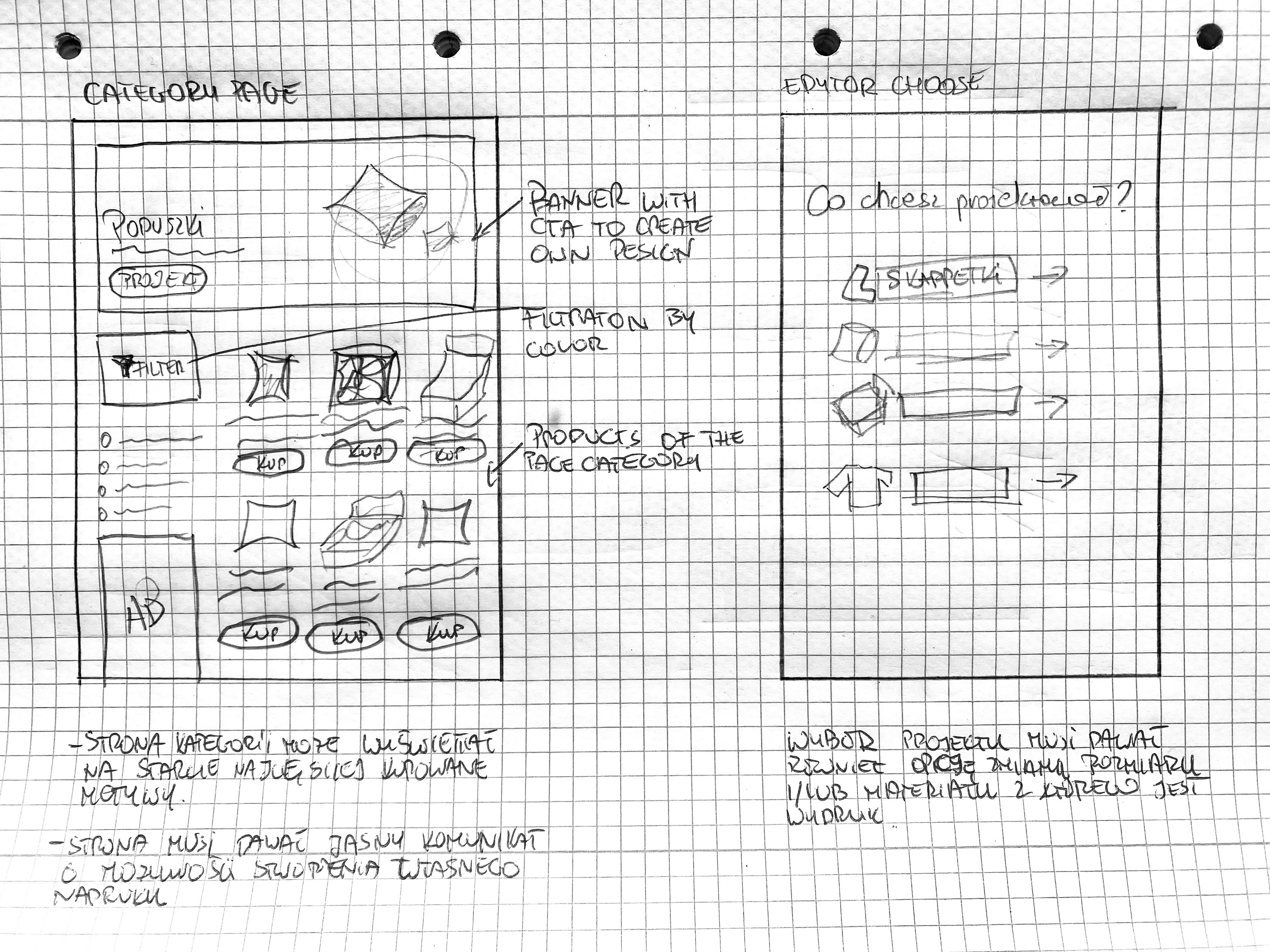
Low-Fidelity Wireframes
I started the design phase by sketching out initial page layouts on paper. These low-fidelity wireframes allowed for rapid ideation and quick iteration. I focused on defining the content structure and placement of key interactive elements before moving on to digital high-fidelity designs.
Visual Language & System
Main Colors
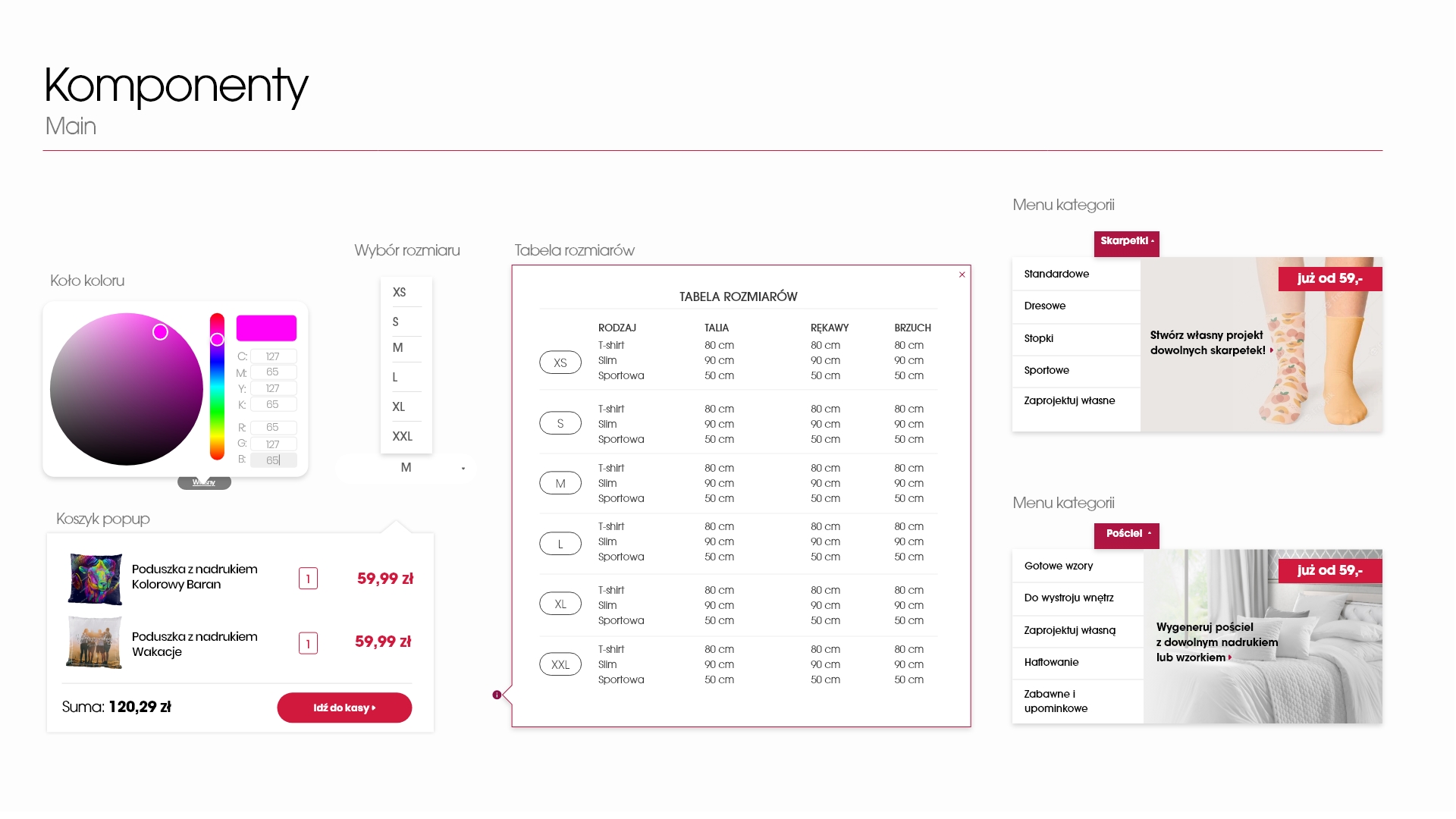
A vibrant and modern color palette designed to evoke emotions of joy, creativity, and the personal touch of gift-giving.
Gradient
Shade 1
#45084e - #c71640
Grid

Column width: 122
Gutter: 16
Margin: 144
Buttons
See the working prototype here:
Lessons Learned
Balancing Creativity & Usability
Designing a product creator taught me that "more features" isn't always better. I learned how to structure a complex editing tool—like Lumise—to be powerful enough for pros, yet simple enough for someone just wanting to put a photo on a pillow.
The Power of Constraints
Working within the limitations of a pre-existing engine (WordPress/Lumise) was a valuable lesson in pragmatism. I learned that a designer's job isn't just to dream up ideal interfaces, but to find the best possible user experience within the technical and budget boundaries of the project.
CTRLapp - Designing Trust in High-Risk Trading
April 2024
L2 Charts - The bridge between traditional exchanges and P2P
January 2023
2026 Paweł Kostyra. All Rights Reserved.